
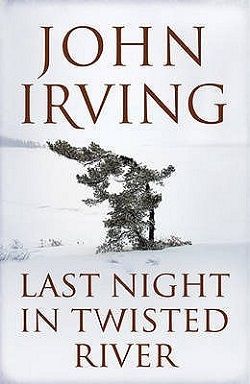
Last Night in Twisted River
In 1954, in the cookhouse of a logging and sawmill settlement in northern New Hampshire, an anxious twelve-year-old boy mistakes the local constable’s girlfriend for a bear. Both the twelve-year-old and his father become fugitives, forced to run from Coos County–to Boston, to southern Vermont, to Toronto–pursued by the implacable constable. Their lone protector is a fiercely libertarian logger, once a river driver, who befriends them.
In a story spanning five decades, Last Night in Twisted River–John Irving’s twelfth novel–depicts the recent half-century in the United States as “a living replica of Coos County, where lethal hatreds were generally permitted to run their course.” From the novel’s taut opening sentence–“The young Canadian, who could not have been more than fifteen, had hesitated too long”–to its elegiac final chapter, Last Night in Twisted River is written with the historical authenticity and emotional authority of The Cider House Rules and A Prayer for Owen Meany. It is also as violent and disturbing a story as John Irving’s breakthrough bestseller, The World According to Garp.
What further distinguishes Last Night in Twisted River is the author’s unmistakable voice–the inimitable voice of an accomplished storyteller. Near the end of this moving novel, John Irving writes: “We don’t always have a choice how we get to know one another. Sometimes, people fall into our lives cleanly–as if out of the sky, or as if there were a direct flight from Heaven to Earth–the same sudden way we lose people, who once seemed they would always be part of our lives.”
Pages
- Page 1
- Page 2
- Page 3
- Page 4
- Page 5
- Page 6
- Page 7
- Page 8
- Page 9
- Page 10
- Page 11
- Page 12
- Page 13
- Page 14
- Page 15
- Page 16
- Page 17
- Page 18
- Page 19
- Page 20
- Page 21
- Page 22
- Page 23
- Page 24
- Page 25
- Page 26
- Page 27
- Page 28
- Page 29
- Page 30
- Page 31
- Page 32
- Page 33
- Page 34
- Page 35
- Page 36
- Page 37
- Page 38
- Page 39
- Page 40
- Page 41
- Page 42
- Page 43
- Page 44
- Page 45
- Page 46
- Page 47
- Page 48
- Page 49
- Page 50
- Page 51
- Page 52
- Page 53
- Page 54
- Page 55
- Page 56
- Page 57
- Page 58
- Page 59
- Page 60
- Page 61
- Page 62
- Page 63
- Page 64
- Page 65
- Page 66
- Page 67
- Page 68
- Page 69
- Page 70
- Page 71
- Page 72
- Page 73
- Page 74
- Page 75
- Page 76
- Page 77
- Page 78
- Page 79
- Page 80
- Page 81
- Page 82
- Page 83
- Page 84
- Page 85
- Page 86
- Page 87
- Page 88
- Page 89
- Page 90
- Page 91
- Page 92
- Page 93
- Page 94
- Page 95
- Page 96
- Page 97
- Page 98
- Page 99
- Page 100
- Page 101
- Page 102
- Page 103
- Page 104
- Page 105
- Page 106
- Page 107
- Page 108
- Page 109
- Page 110
- Page 111
- Page 112
- Page 113
- Page 114
- Page 115
- Page 116
- Page 117
- Page 118
- Page 119
- Page 120
- Page 121
- Page 122
- Page 123
- Page 124
- Page 125
- Page 126
- Page 127
- Page 128
- Page 129
- Page 130
- Page 131
- Page 132
- Page 133
- Page 134
- Page 135
- Page 136
- Page 137
- Page 138
- Page 139
- Page 140
- Page 141
- Page 142
- Page 143
- Page 144
- Page 145














