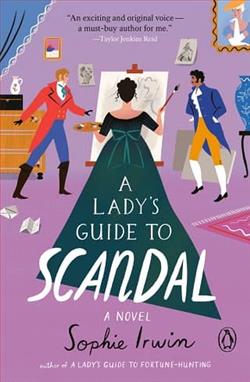
Sophie Irwin's "A Lady's Guide to Scandal" is a delightful addition to the historical romance genre, offering readers a captivating tale of self-discovery, empowerment, and the complexities of societal expectations. Set against the richly detailed backdrop of Regency-era England, Irwin crafts a narrative that is both engaging and thought-provoking, centering on the audacious journey of Miss Eliza Balfour. The novel explores themes of freedom, identity, and the pursuit of happiness, all while maintaining a light-hearted and escapist tone that is sure to enchant fans of historical romance.
The story begins with Eliza Balfour, a woman who has spent the last decade of her life conforming to the rigid expectations of high society. Her marriage to the much older Earl of Somerset was deemed the match of the season, yet it was far from the romantic union she had envisioned. With the Earl's passing, Eliza finds herself unexpectedly liberated, both financially and socially. This newfound freedom sets the stage for her transformation from a dutiful wife to a woman determined to live life on her own terms.
Irwin's portrayal of Eliza is both nuanced and relatable. As a protagonist, Eliza embodies the struggle between societal duty and personal desire, a theme that resonates deeply in the context of the Regency period. Her character development is a central focus of the novel, as she navigates the challenges of newfound independence. Eliza's decision to move to Bath with her cousin Margaret marks the beginning of her journey towards self-discovery. Her aspirations to pursue painting, learn to drive, and engage in a flirtation with the enigmatic Lord Melville highlight her desire to break free from the constraints that have long bound her.
The character of Lord Melville adds an intriguing dimension to the narrative. As Bath's most alluring new resident, he represents both temptation and the possibility of a new beginning for Eliza. Their interactions are charged with chemistry and wit, providing a delightful counterpoint to the more serious undertones of Eliza's journey. However, the reappearance of her late husband's nephew, who once broke her heart, introduces a layer of complexity that challenges Eliza's resolve and forces her to confront her past.
Irwin's writing style is both elegant and accessible, capturing the essence of the period while remaining engaging for contemporary readers. Her attention to detail in depicting the social customs and settings of the time adds authenticity to the narrative, immersing readers in the world of Regency England. The dialogue is sharp and often humorous, reflecting the wit and intelligence of the characters. This balance of historical accuracy and modern sensibility is reminiscent of the works of authors like Julia Quinn and Tessa Dare, who similarly excel in creating vibrant and compelling historical romances.
Emotionally, "A Lady's Guide to Scandal" is a rewarding read. Eliza's journey is one of empowerment and self-realization, themes that resonate with readers who appreciate stories of personal growth and resilience. The novel deftly explores the idea that true freedom comes from embracing one's desires and making choices that align with one's values, even in the face of societal pressure. Eliza's evolution from a woman defined by her circumstances to one who actively shapes her destiny is both inspiring and satisfying.
While the novel is primarily a romance, it also offers a thoughtful exploration of the societal norms and gender roles of the time. Irwin does not shy away from highlighting the limitations placed on women in the Regency era, yet she does so with a light touch that never detracts from the story's overall sense of fun and adventure. This balance ensures that the novel remains an enjoyable escape while still providing depth and substance.
In conclusion, Sophie Irwin's "A Lady's Guide to Scandal" is a charming and insightful addition to the historical romance genre. With its well-drawn characters, engaging plot, and thoughtful exploration of themes, it is a novel that will appeal to readers who enjoy stories of love, independence, and the courage to defy convention. Irwin's ability to blend humor, romance, and social commentary makes this book a standout, ensuring that it will be a favorite among fans of the genre. Whether you're a longtime lover of historical romance or new to the genre, this novel offers a delightful escape into a world of passion, intrigue, and self-discovery.



