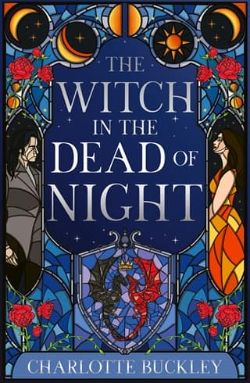
Charlotte Buckley's The Witch in the Dead of Night is a captivating addition to the romantasy genre, weaving a tale that is as enchanting as it is dark. At its core, the novel explores themes of identity, power, and redemption, set against the backdrop of a richly imagined world where witches and vampires coexist in a tenuous balance. Buckley's narrative is a masterclass in blending romance with fantasy, creating a story that is both thrilling and emotionally resonant.
The protagonist, Finn Erramun, is a character of remarkable depth and complexity. As one of the last witches in the kingdom, her journey from outcast to potential council member is fraught with challenges that test her resolve and morality. Buckley crafts Finn with a keen eye for detail, allowing readers to empathize with her struggles and triumphs. Her development is both organic and compelling, as she navigates the treacherous waters of courtly intrigue and discovers the true extent of her powers.
Finn's interactions with Prince Enhart, the king’s younger brother, add a layer of romantic tension that is both engaging and unpredictable. Enhart is a character who defies easy categorization; his arrogance is tempered by moments of vulnerability, making him an intriguing foil to Finn's earnestness. Their relationship is a dance of power and attraction, with Buckley skillfully weaving their personal growth into the broader narrative. The chemistry between them is palpable, driving much of the emotional impact of the story.
The world-building in The Witch in the Dead of Night is another of Buckley's strengths. The opulent court of King Mordric is depicted with vivid imagery, a place where shadows and secrets lurk around every corner. The political machinations and power plays are reminiscent of works by authors like Sarah J. Maas and Leigh Bardugo, yet Buckley manages to carve out her own niche with a unique blend of gothic and romantic elements. The vampires of Valen, with their thirst for power rather than blood, are a refreshing twist on traditional vampire lore, adding depth to the story's exploration of ambition and control.
Buckley's writing style is both lush and precise, capturing the decadence of the vampire court while maintaining a brisk narrative pace. Her prose is imbued with a sense of urgency that mirrors Finn's own journey, keeping readers engaged from start to finish. The dialogue is sharp and often laced with wit, providing moments of levity amidst the darker themes. This balance of tone is a testament to Buckley's skill as a storyteller, ensuring that the novel remains accessible without sacrificing its complexity.
Emotionally, The Witch in the Dead of Night resonates on multiple levels. Finn's quest for redemption is a universal theme, one that Buckley explores with nuance and sensitivity. The stakes are high, both personally and politically, and the tension is palpable as the summer solstice approaches. Readers will find themselves rooting for Finn, even as they question the motives of those around her. The novel's climax is both satisfying and thought-provoking, leaving room for potential sequels while providing a sense of closure.
In comparison to other works in the romantasy genre, Buckley's novel stands out for its intricate character development and innovative world-building. Fans of authors like Naomi Novik and Holly Black will find much to admire in Buckley's approach to storytelling. Her ability to blend romance with fantasy elements creates a narrative that is both familiar and refreshingly original, appealing to a wide range of readers.
Overall, The Witch in the Dead of Night by Charlotte Buckley is a triumph of the romantasy genre. Its exploration of identity and power, combined with a richly detailed setting and compelling characters, makes it a must-read for fans of dark fantasy and romance. Buckley's deft handling of complex themes ensures that the novel is not only entertaining but also deeply resonant, offering readers a story that lingers long after the final page is turned.



