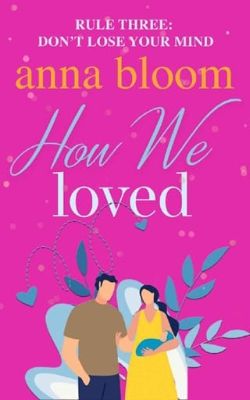
Anna Bloom’s novel, How We Loved, is a heartfelt exploration of the complexities of love, parenthood, and personal growth. At its core, the book is a poignant narrative that delves into the intricacies of maintaining a relationship amidst the whirlwind of life's changes. Bloom’s storytelling is both engaging and relatable, making it a compelling read for fans of contemporary romance and family dramas.
Set against the backdrop of fame and domesticity, How We Loved follows Lilah McCannon and Ben, a couple whose love story is both extraordinary and familiar. Ben, a world-famous singer/songwriter, and Lilah, his steadfast partner, are about to embark on a new chapter with the arrival of their baby. The novel captures the essence of their journey, highlighting the challenges and triumphs that come with balancing career aspirations, parenthood, and the pursuit of personal happiness.
One of the major themes in How We Loved is the resilience of love. Bloom masterfully portrays how true love can endure even the most trying circumstances. The narrative does not shy away from the gritty realities of parenting—exploding nappies, sleepless nights, and the struggle to maintain intimacy amidst exhaustion. Yet, it is in these moments of vulnerability that the strength of Lilah and Ben’s relationship truly shines. The author’s ability to weave humor and tenderness into these scenes makes the story both realistic and heartwarming.
Character development is a standout feature of Bloom’s writing. Lilah is a well-rounded protagonist whose journey is both inspiring and relatable. As she navigates the challenges of motherhood and her evolving identity, readers are invited to witness her growth and resilience. Lilah’s character is reminiscent of protagonists in novels by Jojo Moyes or Marian Keyes, where the focus is on strong, relatable women facing life’s hurdles with grace and humor. Ben, on the other hand, is portrayed as a supportive partner, whose own struggles with fame and fatherhood add depth to his character. Together, their dynamic is both complex and endearing, capturing the essence of a modern-day love story.
Bloom’s writing style is both accessible and evocative, drawing readers into the emotional landscape of her characters’ lives. Her prose is laced with wit and sincerity, making the narrative both engaging and emotionally resonant. The dialogue is sharp and realistic, capturing the nuances of relationships with authenticity. This style is reminiscent of authors like Sophie Kinsella and Jenny Colgan, who excel in blending humor with heartfelt storytelling.
Emotionally, How We Loved is a rollercoaster that will resonate with anyone who has experienced the highs and lows of love and family life. Bloom’s ability to capture the raw emotions of her characters is one of the novel’s greatest strengths. The story evokes a range of feelings, from laughter to tears, as readers become invested in Lilah and Ben’s journey. The emotional impact of the novel is profound, leaving readers with a sense of hope and a deeper understanding of the complexities of love.
In comparison to other works in the contemporary romance genre, How We Loved stands out for its honest portrayal of the challenges of modern relationships. While it shares thematic similarities with novels like One Day by David Nicholls or The Rosie Project by Graeme Simsion, Bloom’s focus on the realities of parenthood adds a unique dimension to the narrative. The novel’s exploration of personal growth and the sacrifices made for love is both thought-provoking and inspiring.
Overall, Anna Bloom’s How We Loved is a beautifully crafted novel that offers a candid look at the realities of love and family life. Its engaging narrative, well-developed characters, and emotional depth make it a must-read for fans of contemporary romance and family dramas. Whether you are a new parent or simply someone who appreciates a good love story, this book is sure to leave a lasting impression. Bloom’s ability to capture the essence of love in all its forms makes How We Loved a standout addition to the genre.



