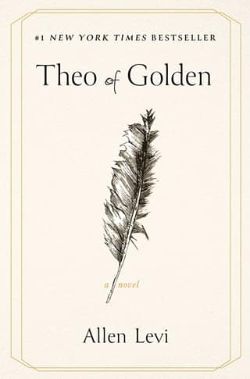
Allen Levi's novel, Theo of Golden, is a captivating exploration of human connection and the transformative power of kindness. Set in the quaint Southern city of Golden, the story introduces us to Theo, a mysterious stranger whose arrival sets off a chain of events that alters the lives of the town's residents. Levi's narrative is a gentle yet profound reminder of the impact one individual can have on a community, and it resonates with themes of generosity, empathy, and the quest for understanding.
The premise of Theo of Golden is both simple and intriguing. Theo, whose origins and motivations remain shrouded in mystery, begins purchasing pencil portraits from a local coffeehouse. These portraits, depicting the townsfolk of Golden, are not mere artistic endeavors; they are windows into the lives and stories of the people they represent. By gifting these portraits back to the individuals, Theo initiates a unique exchange: he seeks their stories in return. This narrative device serves as a powerful metaphor for the act of seeing and being seen, a theme that Levi weaves throughout the novel with subtlety and grace.
Character development is one of the novel's strongest elements. Each resident of Golden, through their interactions with Theo, is fleshed out with depth and authenticity. Levi skillfully crafts a diverse cast of characters, each with their own secrets, regrets, and aspirations. As Theo collects their stories, readers are drawn into a tapestry of human experience that is both relatable and enlightening. The characters' transformations, prompted by their encounters with Theo, are portrayed with a delicate touch, allowing readers to witness the quiet miracles that occur when individuals are given the space to share their truths.
Theo himself is an enigmatic figure, reminiscent of literary wanderers like Ray Bradbury's Mr. Dark or Paulo Coelho's Santiago. His presence in Golden is both disruptive and healing, challenging the townspeople to confront their pasts and embrace vulnerability. Levi's portrayal of Theo is nuanced, avoiding the pitfalls of making him a mere plot device. Instead, Theo emerges as a catalyst for change, his own story gradually unfolding alongside those he encounters.
Levi's writing style is both lyrical and accessible, striking a balance that invites readers into the world of Golden with ease. His prose is imbued with a Southern charm that enhances the setting and atmosphere of the novel. The dialogue is natural and engaging, capturing the unique voices of the characters while advancing the narrative with purpose. Levi's ability to evoke emotion through his writing is particularly noteworthy; he crafts moments of introspection and revelation with a deft hand, allowing readers to experience the emotional journeys of the characters alongside them.
The emotional impact of Theo of Golden is profound, leaving a lasting impression on readers long after the final page is turned. The novel's exploration of themes such as forgiveness, redemption, and the interconnectedness of human lives resonates deeply, encouraging reflection on one's own relationships and experiences. Levi's storytelling is reminiscent of the works of Mitch Albom and Fredrik Backman, authors who similarly delve into the complexities of human emotion and the beauty of everyday life.
In terms of genre, Theo of Golden can be classified as contemporary fiction with elements of magical realism. The novel's setting and character-driven narrative are grounded in reality, yet Theo's presence introduces a touch of the extraordinary. This blend of realism and magic enhances the novel's themes, underscoring the idea that wonder and transformation can be found in the most ordinary of circumstances.
Overall, Theo of Golden by Allen Levi is an unforgettable novel that speaks to the heart of what it means to be human. It is a story that celebrates the power of generosity and the importance of connection, reminding readers that even the smallest acts of kindness can have a ripple effect on the world around us. For those who appreciate character-driven narratives and thought-provoking themes, Theo of Golden is a must-read that will leave you pondering the quiet miracles in your own life.



