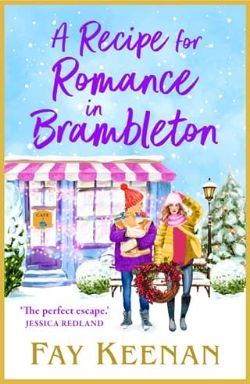
Fay Keenan's novel, A Recipe for Romance in Brambleton, is a delightful addition to the romance genre, offering readers a heartwarming tale set in the picturesque village of Lower Brambleton. This charming story weaves together themes of love, loss, and new beginnings, all set against the backdrop of a cozy café that serves as both a sanctuary and a catalyst for change.
The central character, Lauren Hope, is meticulously crafted as a woman who thrives on routine and order. Her café is not just a business but a reflection of her personality—warm, inviting, and carefully curated. Keenan skillfully portrays Lauren's internal struggle as she grapples with the absence of her mother, who has always been her confidante and support system. This absence propels Lauren to reconsider her tightly controlled life and opens her up to the possibility of change. The author deftly uses this personal journey to explore the broader theme of stepping out of one's comfort zone, a relatable and inspiring message for readers.
Enter Marc Hathaway, a character whose arrival in Lower Brambleton brings a fresh dynamic to the story. Marc is depicted as a man seeking solace and a new beginning after the tragic loss of his wife. His move to the village with his lively six-year-old twin boys introduces an element of chaos and unpredictability, contrasting sharply with Lauren's orderly existence. Keenan's portrayal of Marc is both sensitive and nuanced, capturing the complexities of grief and the challenges of single parenthood. The twins add a layer of authenticity and humor to the narrative, their youthful exuberance serving as a reminder of life's simple joys.
The chemistry between Lauren and Marc is palpable from their first encounter, and Keenan excels in building their relationship with a slow, believable progression. The romance is tender and understated, with moments of genuine connection that resonate deeply. As they navigate their respective emotional landscapes, both characters undergo significant development, learning to embrace vulnerability and trust. This evolution is a testament to Keenan's skill in crafting multi-dimensional characters who feel real and relatable.
In terms of writing style, Fay Keenan employs a warm and engaging narrative voice that draws readers into the world of Lower Brambleton. Her descriptive prose vividly brings the village to life, from the bustling café to the quaint streets and the changing seasons. The setting itself becomes a character, its charm and tranquility offering a sense of comfort and community. Keenan's attention to detail and her ability to evoke a strong sense of place are reminiscent of authors like Debbie Macomber and Jenny Colgan, who similarly excel in creating inviting, small-town settings.
The emotional impact of A Recipe for Romance in Brambleton is profound, as Keenan explores themes of healing and hope. The novel delves into the idea that love can be a powerful force for transformation, capable of mending broken hearts and forging new paths. The story's resolution is both satisfying and uplifting, leaving readers with a sense of optimism and the belief that new beginnings are always possible, no matter the circumstances.
Comparatively, Keenan's work shares thematic similarities with novels by authors such as Jojo Moyes and Nicholas Sparks, where characters often face significant personal challenges and find redemption through love and connection. However, Keenan's unique voice and her focus on community and personal growth set her apart, offering a fresh perspective within the genre.
Overall, A Recipe for Romance in Brambleton is a beautifully crafted tale that will appeal to fans of contemporary romance and those who appreciate stories of personal transformation. Fay Keenan has delivered a novel that is both heartwarming and thought-provoking, with characters who linger in the mind long after the final page is turned. Whether you're a long-time fan of the genre or new to Keenan's work, this book promises a rewarding and memorable reading experience.



