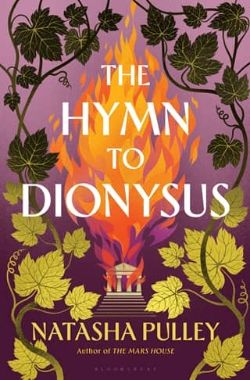
Natasha Pulley's The Hymn to Dionysus is a mesmerizing journey through an ancient world teetering on the brink of chaos. Set against the backdrop of a Greek empire, Pulley weaves a tale that is as much about the internal struggles of her protagonist, Phaidros, as it is about the external turmoil of a society on the edge of ruin. This novel is a rich tapestry of myth, history, and human emotion, offering readers a captivating queer love story that is both profound and deeply moving.
At the heart of The Hymn to Dionysus is Phaidros, a character whose development is both intricate and compelling. Raised in a Greek legion, Phaidros is initially portrayed as a man bound by duty and obedience. His life takes a dramatic turn when he rescues a baby from a fire, an act that sets off a chain of events challenging his understanding of loyalty and morality. Pulley skillfully explores Phaidros's internal conflict, capturing his struggle with panic attacks and flashbacks in a manner that is both realistic and empathetic. As Phaidros embarks on a quest to find the missing crown prince, his journey becomes one of self-discovery, forcing him to confront his past and redefine his sense of identity.
The character of Dionysus, the enigmatic blue-eyed witch, adds a layer of mysticism and intrigue to the narrative. Pulley’s portrayal of Dionysus is both captivating and complex, embodying the duality of wisdom and chaos. Through Dionysus, Pulley introduces themes of divinity and humanity, exploring the blurred lines between the two. The interactions between Phaidros and Dionysus are charged with tension and tenderness, creating a dynamic that is as unpredictable as it is compelling. Their relationship is a poignant exploration of love and acceptance, challenging societal norms and expectations in a way that feels both timeless and relevant.
Natasha Pulley's writing style in The Hymn to Dionysus is nothing short of lyrical. Her prose is lush and evocative, painting vivid pictures of the ancient world while delving deep into the emotional landscapes of her characters. Pulley’s ability to blend historical detail with mythological elements is reminiscent of authors like Madeline Miller and Mary Renault, yet her voice remains distinctly her own. The narrative flows seamlessly, drawing readers into a world where the past and present collide in unexpected ways.
One of the most striking aspects of The Hymn to Dionysus is its exploration of major themes such as identity, power, and transformation. Pulley delves into the complexities of personal and political identity, examining how they intersect and influence one another. The novel also addresses the theme of power, both in terms of political authority and personal agency. Through Phaidros's journey, Pulley questions the nature of power and its impact on individuals and societies. The theme of transformation is woven throughout the narrative, as characters evolve and adapt in response to the challenges they face. This theme is particularly resonant in the context of Phaidros's personal growth and his evolving relationship with Dionysus.
The emotional impact of The Hymn to Dionysus is profound, resonating with readers on multiple levels. Pulley’s exploration of love, loss, and redemption is both heart-wrenching and uplifting, offering a nuanced portrayal of the human experience. The novel’s conclusion is both satisfying and thought-provoking, leaving readers with much to ponder long after the final page is turned.
In comparison to other works in the historical fiction genre, The Hymn to Dionysus stands out for its unique blend of myth and reality, as well as its focus on queer love and identity. Pulley’s ability to create a narrative that is both timeless and timely is a testament to her skill as a storyteller. Readers who appreciate the works of authors like Neil Gaiman and Susanna Clarke will find much to admire in Pulley’s latest offering.
Overall, Natasha Pulley’s The Hymn to Dionysus is a masterful exploration of the human condition, set against the backdrop of a world on the brink of change. With its richly drawn characters, evocative prose, and thought-provoking themes, this novel is a must-read for fans of historical fiction and mythology alike. Pulley has crafted a story that is as enchanting as it is enlightening, offering readers a glimpse into a world where the divine and the human are inextricably intertwined.



