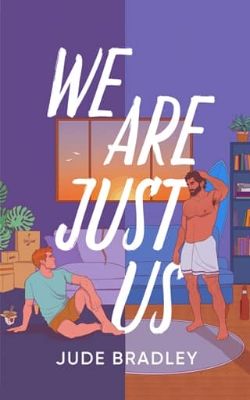
Jude Bradley's novel, We Are Just Us, offers a poignant exploration of identity, vulnerability, and the complexities of human connection. Set against the sun-drenched backdrop of Encinitas, California, the story follows Kieran Doyle, a man burdened by the weight of his own secrets and the silent legacy of his past. As he navigates a new chapter in his life, Kieran's journey is both a physical and emotional odyssey, marked by unexpected encounters and the gradual unraveling of his carefully constructed facade.
At the heart of We Are Just Us is the theme of self-discovery. Kieran Doyle is a character defined by his ability to mask his true feelings with small, seemingly innocuous lies. His journey south with two dogs and his mother's ashes symbolizes a quest for closure and a fresh start. Yet, it is the accidental meeting with Rory Kline, his enigmatic neighbor, that catalyzes Kieran's transformation. Rory is portrayed as a man who embodies freedom and authenticity, qualities that Kieran both admires and fears. Their relationship, built on a series of serendipitous encounters, challenges Kieran to confront his fears and embrace the possibility of being truly known.
Bradley's writing style is both lyrical and grounded, capturing the essence of the coastal setting while delving deep into the emotional landscapes of her characters. The dialogue is sharp and often laced with humor, providing a counterbalance to the novel's more introspective moments. The author's ability to weave humor into the narrative is reminiscent of works by authors like David Sedaris, where wit serves as a vehicle for deeper truths. This blend of light-heartedness and depth makes the novel an engaging read, inviting readers to reflect on their own experiences of love and self-acceptance.
The character development in We Are Just Us is particularly noteworthy. Kieran's evolution from a man who hides behind lies to someone willing to risk vulnerability is portrayed with nuance and sensitivity. His internal struggles are relatable, capturing the universal fear of rejection and the longing for acceptance. Rory, on the other hand, is a character who exudes confidence and warmth, yet he too is layered with complexities that unfold as the story progresses. Their dynamic is compelling, as it highlights the tension between desire and fear, and the courage it takes to bridge that gap.
Emotionally, the novel resonates on multiple levels. The themes of grief and healing are interwoven with the narrative of love and self-discovery, creating a rich tapestry of emotions that linger long after the last page is turned. Bradley's exploration of these themes is both subtle and profound, inviting readers to consider the ways in which we carry our pasts and the impact they have on our present relationships. The novel's emotional impact is akin to that of works by authors such as Taylor Jenkins Reid, where the focus on character-driven storytelling creates a deep connection with the reader.
In terms of genre, We Are Just Us can be classified as contemporary romance, yet it transcends the typical boundaries of the genre by delving into themes of personal growth and existential reflection. The novel's setting in Encinitas adds a layer of charm and authenticity, with Bradley's vivid descriptions of the coastal town enhancing the narrative's sense of place. This setting serves as a metaphor for Kieran's journey, with the ocean representing both the unknown and the potential for renewal.
Overall, Jude Bradley's We Are Just Us is a beautifully crafted novel that offers a fresh take on the themes of love, identity, and the courage to be vulnerable. Its engaging characters, witty dialogue, and emotional depth make it a standout in the contemporary romance genre. For readers who appreciate character-driven stories with a touch of humor and a lot of heart, this novel is a must-read. Bradley's ability to capture the intricacies of human relationships and the transformative power of love ensures that We Are Just Us will resonate with anyone who has ever grappled with the fear of being truly seen.



