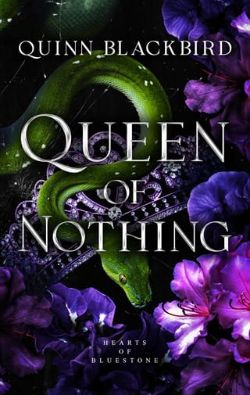
Quinn Blackbird's "Queen of Nothing" is a gripping exploration of identity, freedom, and the haunting shadows of one's past. This novel, set against the backdrop of a secretive society, plunges readers into a world where the boundaries between the ordinary and the extraordinary blur, leaving a trail of emotional and psychological complexity.
The protagonist, Dray Sinclair, is a character caught in a whirlwind of chaos and introspection. Her journey begins with a desperate escape from a life that has become unrecognizable. Blackbird deftly crafts Dray's character as someone who is both resilient and vulnerable, a woman who has been thrust into a reality that demands she confront her deepest fears and desires. The emotional depth of Dray's character is one of the novel's most compelling aspects, as readers are invited to witness her struggle with the remnants of her past while trying to carve out a new existence.
One of the major themes in "Queen of Nothing" is the concept of freedom—or the illusion of it. Dray's flight from her previous life is not just a physical escape but a symbolic one, representing her quest for autonomy and self-discovery. However, Blackbird skillfully illustrates that freedom is not easily attained. The narrative suggests that the chains of one's past and the societal structures that bind us are not so easily broken. This theme resonates throughout the novel, as Dray learns that even in her new life, she is not entirely free from the shadows that pursue her.
Blackbird's writing style is both evocative and immersive, drawing readers into a world that is richly detailed and emotionally charged. Her prose is lyrical, yet it maintains a sense of urgency that mirrors Dray's own tumultuous journey. The author has a knack for creating atmospheric settings that enhance the narrative's tension and intrigue. The secret society that Dray inadvertently disrupts is shrouded in mystery, and Blackbird's descriptive prowess brings this enigmatic world to life, making it a character in its own right.
In terms of character development, "Queen of Nothing" excels in portraying the complexities of its protagonist. Dray's evolution is gradual and believable, as she grapples with her identity and the consequences of her actions. The supporting characters, particularly Serena and her unsanctioned child, add layers to the story, providing both conflict and companionship. Serena's role as a guide and confidante is crucial, offering Dray a glimpse into a life that is both ordinary and extraordinary in its own right.
The emotional impact of the novel is profound, as Blackbird delves into themes of loss, redemption, and the search for belonging. Dray's internal struggles are palpable, and readers will find themselves empathizing with her plight. The narrative does not shy away from exploring the darker aspects of human nature, yet it also offers moments of hope and resilience. This balance between despair and optimism is a testament to Blackbird's ability to capture the complexities of the human experience.
Comparatively, "Queen of Nothing" shares thematic similarities with works like Margaret Atwood's "The Handmaid's Tale" and Suzanne Collins' "The Hunger Games." Like these novels, Blackbird's work examines the individual's fight against oppressive systems and the quest for personal freedom. However, "Queen of Nothing" stands out with its unique blend of mystery and psychological depth, offering a fresh perspective on familiar themes.
Overall, "Queen of Nothing" by Quinn Blackbird is a captivating addition to the genre of speculative fiction. It invites readers to ponder the nature of freedom and the enduring ties of the past. With its richly drawn characters, evocative prose, and thought-provoking themes, the novel is sure to resonate with fans of dystopian and psychological thrillers. Blackbird's storytelling prowess ensures that "Queen of Nothing" is not just a tale of escape but a profound exploration of what it means to truly be free.



