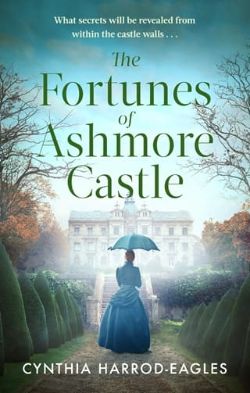
Cynthia Harrod-Eagles' novel, The Fortunes of Ashmore Castle, is a captivating exploration of Edwardian society, filled with intrigue, romance, and the complexities of family dynamics. Set in 1904 England, the story unfolds within the grand yet troubled walls of Ashmore Castle, where the lives of the aristocratic inhabitants and their servants intertwine in a tapestry of secrets and scandals. Harrod-Eagles, known for her ability to weave historical detail with rich narrative, delivers a compelling tale that resonates with fans of period dramas and historical fiction.
At the heart of The Fortunes of Ashmore Castle is the theme of social hierarchy and the tensions it creates. The novel vividly portrays the rigid class distinctions of the time, illustrating how these boundaries shape the characters' lives and decisions. The arrival of the Earl's uncle with a young bride disrupts the established order, challenging the status quo and setting off a chain reaction of events that threaten to unravel the family's carefully maintained facade. This disruption is mirrored in the lives of the servants, whose own ambitions and desires simmer beneath the surface, highlighting the universal struggle between personal aspiration and societal expectation.
Character development is a strong suit in Harrod-Eagles' writing, and this novel is no exception. Kitty, the beleaguered mistress of Ashmore Castle, is a particularly well-drawn character. Her internal conflict and resilience in the face of mounting pressures make her a sympathetic and relatable protagonist. As she grapples with her marriage and a secret that could change everything, Kitty embodies the tension between duty and desire, a common thread throughout the novel. Her sister-in-law Rachel and the Earl's youngest sister Alice are equally compelling, each facing their own romantic entanglements that defy societal norms. Rachel's forbidden love and Alice's dangerous romance with a man of lower status add layers of complexity to the narrative, illustrating the personal costs of defying convention.
Harrod-Eagles' writing style is both elegant and immersive, capturing the opulence of the Edwardian era while delving into the emotional depths of her characters. Her attention to detail brings Ashmore Castle to life, from the grandeur of the drawing rooms to the bustling activity of the servants' quarters. The dialogue is sharp and authentic, reflecting the social nuances of the time and adding to the novel's rich atmosphere. Fans of authors like Julian Fellowes, known for Downton Abbey, will find a similar appeal in Harrod-Eagles' ability to blend historical accuracy with engaging storytelling.
The emotional impact of The Fortunes of Ashmore Castle is profound, as the characters' struggles with love, loyalty, and ambition resonate on a deeply human level. The novel's exploration of secrets and their power to shape lives is particularly poignant, as each character must confront the consequences of their hidden truths. Kitty's journey is especially moving, as she navigates the delicate balance between maintaining her family's honor and pursuing her own happiness. This emotional depth is a testament to Harrod-Eagles' skill as a storyteller, drawing readers into the characters' world and making their triumphs and tragedies feel personal and immediate.
In comparison to other works in the historical fiction genre, The Fortunes of Ashmore Castle stands out for its intricate character development and the seamless integration of historical context with personal drama. While it shares thematic elements with novels like The Forsyte Saga by John Galsworthy, Harrod-Eagles' focus on the interplay between the upstairs and downstairs worlds offers a fresh perspective on the era. The novel's ability to capture the essence of Edwardian society while exploring timeless themes of love, power, and identity makes it a valuable addition to the genre.
Overall, The Fortunes of Ashmore Castle by Cynthia Harrod-Eagles is a richly textured and emotionally resonant novel that will appeal to fans of historical fiction and period dramas. Its exploration of social hierarchy, character development, and the impact of secrets provides a thought-provoking and engaging reading experience. Harrod-Eagles' masterful storytelling and attention to detail make this novel a must-read for anyone interested in the complexities of Edwardian society and the timeless struggles of the human heart.



