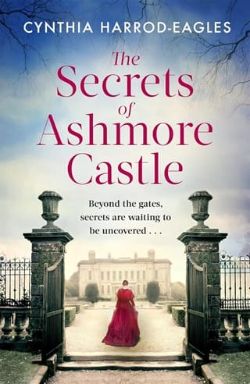
Cynthia Harrod-Eagles' novel, The Secrets of Ashmore Castle, is a captivating exploration of duty, love, and societal expectations set against the backdrop of early 20th-century England. This historical fiction piece intricately weaves the personal and financial struggles of the Tallant family with the broader societal shifts of the Edwardian era, creating a rich tapestry that will appeal to fans of Downton Abbey and similar period dramas.
The novel opens with the sudden death of the Earl of Stainton, thrusting his reluctant son, Giles, into the role of head of the family. Harrod-Eagles skillfully portrays Giles as a complex character, torn between his personal ambitions and the heavy mantle of responsibility that he must now bear. His internal conflict is palpable and relatable, as he grapples with the expectations placed upon him by his lineage and the pressing financial woes threatening Ashmore Castle. The author’s ability to delve into Giles’ psyche allows readers to empathize with his predicament, making his journey both compelling and emotionally resonant.
In contrast, Kitty Bayfield and her companion Nina introduce a different dynamic to the narrative. Kitty, with her wealth and social standing, represents the potential salvation for the Tallant family’s financial troubles. However, it is Nina, with her vivacious spirit and lack of fortune, who captures Giles’ heart. This love triangle is deftly handled, avoiding clichés and instead offering a nuanced exploration of love versus duty. Harrod-Eagles uses this romantic entanglement to explore broader themes of societal expectations and personal fulfillment, inviting readers to ponder the true cost of happiness.
The writing style of The Secrets of Ashmore Castle is both elegant and accessible, with Harrod-Eagles demonstrating a keen eye for historical detail. Her descriptions of the castle and its surroundings are vivid, transporting readers to a bygone era where the grandeur of the aristocracy is juxtaposed with the looming changes of the modern world. The dialogue is sharp and reflective of the period, yet it remains engaging and relevant to contemporary audiences. Harrod-Eagles’ prose is reminiscent of the works of Edith Wharton and Henry James, where the intricacies of social mores and personal dilemmas are laid bare with grace and precision.
One of the novel’s significant strengths lies in its exploration of the class divide, not only between the aristocracy and the working class but also within the ranks of the nobility itself. The Tallant family’s interactions with their servants reveal a microcosm of the societal changes occurring at the time. Harrod-Eagles does not shy away from depicting the tensions and dependencies that characterize these relationships, providing a thoughtful commentary on the shifting power dynamics of the era. This aspect of the novel adds depth and complexity, inviting readers to reflect on the enduring impact of class structures.
Emotionally, The Secrets of Ashmore Castle is a poignant tale of sacrifice and resilience. The characters’ struggles with identity and duty resonate on a universal level, making their journeys both specific to their time and timeless in their appeal. Harrod-Eagles captures the essence of familial bonds and the weight of legacy, themes that will undoubtedly strike a chord with readers who appreciate character-driven narratives. The emotional impact of the novel is further heightened by the author’s ability to balance moments of introspection with scenes of dramatic tension, ensuring that the story remains engaging throughout.
In comparison to other works in the historical fiction genre, The Secrets of Ashmore Castle stands out for its intricate character development and its ability to weave personal stories with broader historical themes. Fans of Julian Fellowes’ Belgravia or Kate Morton’s novels will find much to admire in Harrod-Eagles’ work, as it similarly blends romance, mystery, and historical intrigue. The novel’s exploration of love, duty, and societal change is both thought-provoking and entertaining, making it a worthy addition to the genre.
Overall, Cynthia Harrod-Eagles has crafted a richly detailed and emotionally resonant novel in The Secrets of Ashmore Castle. With its compelling characters, evocative setting, and insightful exploration of early 20th-century society, the book is sure to captivate readers who enjoy historical fiction with depth and heart. Whether you are drawn to tales of aristocratic intrigue or stories of personal growth and resilience, this novel offers a rewarding reading experience that lingers long after the final page is turned.



