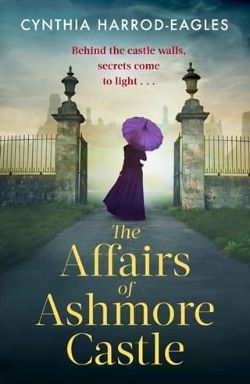
Cynthia Harrod-Eagles' novel, The Affairs of Ashmore Castle, is a captivating exploration of family dynamics, societal expectations, and personal ambitions set against the backdrop of early 20th-century England. The narrative unfolds within the opulent yet troubled confines of Ashmore Castle, where the newly appointed Earl of Stainton, Giles, grapples with the daunting task of restoring his family's estate following his father's death. Harrod-Eagles masterfully weaves a tapestry of intrigue and emotion, drawing readers into the lives of the castle's inhabitants, both upstairs and downstairs.
At the heart of the novel is the theme of power and its shifting nature within the family hierarchy. Kitty, Giles' young and pregnant wife, finds herself caught in a delicate dance of influence with her formidable mother-in-law. The tension between these two women is palpable, as Kitty yearns to assert her place as the true mistress of Ashmore Castle. Harrod-Eagles skillfully portrays Kitty's internal struggle and the societal pressures that dictate her every move. The prospect of her child being a boy looms large, promising a potential shift in the balance of power, and this anticipation adds a layer of suspense to the narrative.
The novel also delves into the romantic entanglements of Giles' younger sisters, whose experiences reflect the broader societal changes of the era. Their forays into romance are fraught with complications, as they navigate the expectations of their social class and the desires of their hearts. Harrod-Eagles captures the essence of youthful passion and the inevitable heartache that accompanies it, drawing parallels to the works of authors like Edith Wharton and Jane Austen, who similarly explore the constraints of society on personal relationships.
Below stairs, the servants of Ashmore Castle are embroiled in their own dramas, characterized by ambition, jealousy, and revenge. Harrod-Eagles excels in creating a vivid depiction of the class divide, reminiscent of the intricate social dynamics found in Julian Fellowes' Downton Abbey. The lives of the servants are intricately linked to those of their employers, and their stories add depth and richness to the novel. The tragic suicide, tender romance, and mysterious disappearance that occur within these ranks serve as poignant reminders of the universal nature of human emotion, regardless of social standing.
Character development is a standout feature of The Affairs of Ashmore Castle. Harrod-Eagles crafts multi-dimensional characters whose motivations and desires are both relatable and compelling. Giles, as the new Earl, is portrayed with nuance; his dedication to his family's legacy is admirable, yet his neglect of Kitty reveals the personal sacrifices he makes. Kitty's evolution from a timid young bride to a woman determined to claim her rightful place is both inspiring and heart-wrenching. The supporting characters, from the rebellious sisters to the ambitious servants, are equally well-drawn, each contributing to the novel's rich tapestry.
Harrod-Eagles' writing style is elegant and evocative, capturing the grandeur of Ashmore Castle and the emotional intricacies of its residents with equal finesse. Her prose is imbued with a sense of nostalgia, transporting readers to a bygone era while maintaining a modern sensibility. The pacing of the novel is deliberate, allowing for a gradual unfolding of secrets and revelations that keep readers engaged from start to finish.
The emotional impact of The Affairs of Ashmore Castle is profound, as Harrod-Eagles explores themes of love, loyalty, and the quest for identity. The novel's setting in 1903 England provides a rich historical context that enhances the characters' struggles and triumphs. The juxtaposition of personal desires against societal expectations is a timeless theme that resonates with contemporary readers, making the novel both a historical exploration and a reflection on the human condition.
In conclusion, The Affairs of Ashmore Castle by Cynthia Harrod-Eagles is a beautifully crafted novel that will appeal to fans of historical fiction and family sagas. Its intricate plot, well-developed characters, and evocative writing make it a standout in the genre. Harrod-Eagles' ability to weave together the lives of the castle's inhabitants, both high and low, creates a compelling narrative that is as engaging as it is thought-provoking. This novel is a testament to the enduring power of storytelling and the complexities of human relationships, set against the backdrop of a changing world.



