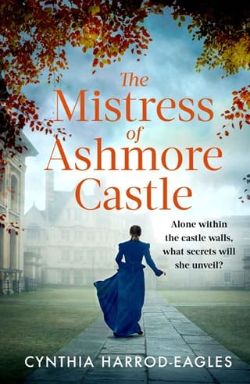
Cynthia Harrod-Eagles' novel, The Mistress of Ashmore Castle, is a captivating addition to her historical family drama series, set in the opulent yet turbulent world of early 20th-century England. The book immerses readers in the intricate lives of the aristocratic Stainton family, weaving a rich tapestry of secrets, romance, and societal expectations. Harrod-Eagles, known for her meticulous attention to historical detail, crafts a narrative that is both engaging and thought-provoking, offering a window into the complexities of maintaining power and identity in a rapidly changing world.
At the heart of the novel is Kitty, the wife of Giles, the Earl of Stainton, who finds herself unexpectedly thrust into the role of the castle's mistress when her husband departs for Egypt. Kitty's journey is one of self-discovery and resilience, as she navigates the challenges of managing a household filled with secrets and hidden agendas. Her character is a compelling study in strength and vulnerability, as she grapples with her own insecurities and the societal pressures of the time. Harrod-Eagles skillfully portrays Kitty's evolution, making her a relatable and sympathetic protagonist.
The theme of secrets and revelations is central to the narrative, driving the plot forward with a sense of intrigue and suspense. Each character harbors their own hidden truths, from the Earl's sisters, Rachel and Alice, who are entangled in forbidden romances, to his brother Richard, whose business ventures are complicated by his clandestine lover. These subplots add layers of complexity to the story, illustrating how personal desires often clash with societal expectations. Harrod-Eagles deftly balances these individual storylines, ensuring that each character's journey contributes to the overarching narrative.
In comparison to other period dramas like Downton Abbey or The Crown, The Mistress of Ashmore Castle stands out for its nuanced exploration of the upstairs-downstairs dynamic. The novel delves into the lives of the castle's staff, who are embroiled in a shocking crime that sends ripples of distrust through their ranks. This subplot not only adds an element of mystery but also highlights the stark contrasts and interdependencies between the aristocracy and their servants. Harrod-Eagles' portrayal of these relationships is both realistic and empathetic, offering a comprehensive view of the social hierarchy of the time.
The author's writing style is elegant and evocative, capturing the grandeur of Ashmore Castle and the emotional depth of its inhabitants. Harrod-Eagles' descriptive prose brings the setting to life, from the opulent interiors of the castle to the sprawling English countryside. Her attention to detail extends to the characters' inner lives, as she delves into their motivations and conflicts with psychological insight. The result is a richly textured narrative that resonates with readers on both an intellectual and emotional level.
Emotionally, the novel is a poignant exploration of love, duty, and identity. Kitty's struggle to assert herself as the true mistress of Ashmore Castle is a universal theme, reflecting the challenges faced by women in asserting their agency within patriarchal structures. Her relationship with Giles, marked by both love and uncertainty, adds a layer of emotional complexity to the story, as Kitty must reconcile her personal desires with her responsibilities as a wife and mother. Harrod-Eagles handles these themes with sensitivity and depth, making the novel a compelling read for anyone interested in historical fiction that delves into the intricacies of human relationships.
Overall, The Mistress of Ashmore Castle is a masterful blend of historical detail, character-driven storytelling, and emotional resonance. Cynthia Harrod-Eagles has crafted a novel that is both entertaining and thought-provoking, offering readers a glimpse into a world where secrets abound and the past continually shapes the present. Fans of historical dramas will find much to admire in this book, as it combines the grandeur of the Edwardian era with the timeless themes of love, power, and self-discovery. Whether you're a longtime fan of Harrod-Eagles or new to her work, this novel is sure to captivate and inspire.



