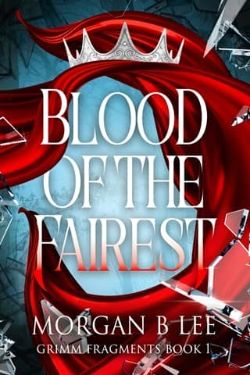
Morgan B. Lee's "Blood of the Fairest" is a captivating foray into the dark fantasy genre, offering a fresh and intriguing twist on the classic fairy tale of Snow White. The novel's premise is immediately engaging: the protagonist wakes up in an alternate dimension as the infamous evil queen, a character traditionally vilified in fairy tales. This setup provides fertile ground for exploring themes of identity, morality, and redemption, all while maintaining a playful yet sinister tone.
One of the standout aspects of "Blood of the Fairest" is its character development. The protagonist's journey from bewilderment to acceptance of her new role is both compelling and relatable. Lee skillfully navigates the complexities of inhabiting a villain's body, allowing readers to explore the nuances of good and evil. The protagonist's internal conflict is palpable as she grapples with the queen's dark instincts and her own moral compass. This duality adds depth to her character, making her more than just a caricature of evil.
The supporting cast is equally intriguing, particularly the male characters who orbit the queen's world. Each one, from the enigmatic Mirror to the fiercely loyal Huntsman, is richly drawn and adds layers to the narrative. Their interactions with the protagonist are charged with tension and chemistry, blurring the lines between ally and adversary. Lee's ability to subvert traditional fairy tale roles is reminiscent of authors like Gregory Maguire, known for his novel "Wicked," which similarly reimagines a classic villain's story.
In terms of themes, "Blood of the Fairest" delves into the idea of power and its corrupting influence. The protagonist's struggle to maintain her humanity while wielding the queen's formidable dark magic is a central conflict. This theme is explored through her interactions with the other characters, who each represent different facets of power and temptation. The novel also touches on the concept of agency, as the protagonist seeks to carve out her own destiny in a world that seems determined to cast her as the villain.
Morgan B. Lee's writing style is both vivid and immersive, drawing readers into the richly imagined world of the novel. The prose is laced with dark humor and sharp wit, providing a refreshing counterbalance to the story's darker elements. Lee's descriptive prowess brings the twisted fairy tale setting to life, from the eerie forests to the opulent yet foreboding castle. The dialogue is snappy and often laced with double entendre, adding an extra layer of enjoyment for readers who appreciate clever wordplay.
The emotional impact of "Blood of the Fairest" is significant, as it challenges readers to reconsider their preconceived notions of good and evil. The protagonist's journey is one of self-discovery and empowerment, resonating with anyone who has ever felt trapped by circumstances beyond their control. The novel's exploration of identity and transformation is both thought-provoking and emotionally resonant, leaving a lasting impression long after the final page is turned.
Comparatively, "Blood of the Fairest" shares thematic similarities with works like Sarah J. Maas's "A Court of Thorns and Roses" series, where characters navigate morally ambiguous landscapes and face the consequences of their choices. However, Lee's novel stands out for its unique blend of dark fantasy and humor, making it a distinctive addition to the genre.
Overall, "Blood of the Fairest" by Morgan B. Lee is a must-read for fans of dark fantasy and fairy tale retellings. Its engaging plot, complex characters, and thought-provoking themes make it a standout work in its genre. Lee's ability to blend humor with darkness creates a reading experience that is both entertaining and intellectually stimulating. Whether you're a long-time fan of fairy tales or new to the genre, this novel offers a fresh perspective that is sure to captivate and delight.



