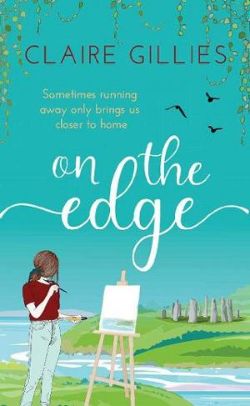
"On The Edge" by Claire Gillies is a captivating exploration of self-discovery and the complexities of human relationships, set against the picturesque backdrop of a remote Scottish island. This novel, which comfortably sits within the contemporary romance genre, offers a refreshing take on the journey of finding oneself amidst life's unpredictabilities. The protagonist, Catherine MacGregor, or Cat, is a relatable character who embodies the struggles of modern life, making her journey both engaging and thought-provoking.
Gillies crafts a narrative that is as much about internal transformation as it is about external change. The theme of reinvention is central to the story, as Cat leaves behind the familiar yet unfulfilling trappings of city life for the unknown possibilities of a new environment. This theme resonates with readers who have ever felt the pull of starting anew, making "On The Edge" a compelling read for those at a crossroads in their own lives.
Character development is one of the novel's strongest suits. Cat's evolution from a daydreamer trapped in a dead-end job to a woman embracing her passion for art is portrayed with nuance and depth. Her journey is not just about geographical relocation but also about emotional and psychological growth. Gillies skillfully illustrates Cat's internal struggles and triumphs, making her a character that readers will root for. The introduction of Patrick Flannagan, the enigmatic musician, adds a layer of complexity to Cat's journey. His presence challenges her newfound stability and forces her to confront her past and her fears about the future.
Patrick is a well-crafted character whose mysterious allure and emotional depth make him a perfect foil to Cat's initially cautious nature. Their interactions are charged with tension and chemistry, providing a rich tapestry of emotional highs and lows that will keep readers invested. The dynamic between Cat and Patrick is reminiscent of the romantic tension found in novels by authors like Nicholas Sparks, where the characters' personal growth is as significant as their romantic entanglement.
Gillies' writing style is both evocative and accessible, striking a balance that allows for immersive storytelling without overwhelming the reader. Her descriptions of the Scottish island are vivid and atmospheric, painting a picture of a place that is as much a character in the story as the people inhabiting it. The island's rugged beauty and isolation serve as a perfect metaphor for Cat's journey, highlighting themes of solitude and introspection.
The emotional impact of "On The Edge" is profound, as Gillies delves into themes of love, loss, and redemption. The novel's exploration of Cat's past and her struggle to reconcile it with her present is handled with sensitivity and insight. Readers will find themselves reflecting on their own experiences and the ways in which the past can shape, but not define, one's future.
Comparatively, "On The Edge" shares thematic similarities with works like "Eat, Pray, Love" by Elizabeth Gilbert, where the protagonist embarks on a journey of self-discovery that is both physical and emotional. However, Gillies' novel stands out with its unique setting and the depth of its character development, offering a fresh perspective on the genre.
In conclusion, "On The Edge" by Claire Gillies is a beautifully written novel that will appeal to fans of contemporary romance and those who appreciate stories of personal growth and transformation. Its engaging characters, evocative setting, and emotional depth make it a standout addition to the genre. Whether you're drawn to the allure of a fresh start or the complexities of love and self-discovery, this novel offers a rewarding reading experience that will linger long after the final page is turned.



