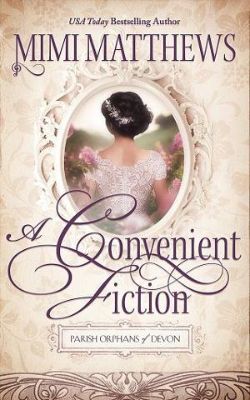
Mimi Matthews' novel, A Convenient Fiction, is a delightful journey through the intricacies of love, societal expectations, and personal redemption set against the backdrop of 19th-century England. This historical romance captures the essence of the era with its vivid descriptions and well-researched settings, transporting readers to a time when social standing and financial security were often intertwined with matters of the heart.
The story revolves around Laura Hayes, a determined young woman facing the harsh realities of life after her father's death. With her family's perfume business on the brink of collapse and an invalid brother to care for, Laura's desperation for a husband is not born out of romantic ideals but rather a pragmatic need for survival. Her character is a refreshing departure from the typical damsel in distress; she is resourceful, intelligent, and fiercely protective of her family. Matthews crafts Laura with depth and nuance, making her a relatable and sympathetic protagonist.
Enter Alex Archer, a man with a past shrouded in mystery and a heart seemingly hardened by his pursuit of wealth. His initial intentions are far from noble, as he seeks a wealthy wife to secure his financial future. However, as the narrative unfolds, Alex's character undergoes significant development. Matthews skillfully peels back the layers of his persona, revealing vulnerabilities and a capacity for growth that endears him to the reader. The transformation of Alex from a self-serving opportunist to a man capable of genuine love and sacrifice is a testament to Matthews' ability to create complex, evolving characters.
The relationship between Laura and Alex is the heart of A Convenient Fiction. Their dynamic is marked by a gradual shift from mutual suspicion to grudging friendship, and ultimately, to a deep and abiding love. Matthews excels in portraying the slow burn of their romance, avoiding the pitfalls of insta-love that often plague the genre. Instead, she allows their relationship to develop organically, with moments of tension and tenderness that are both believable and engaging. The chemistry between the two is palpable, and their interactions are laced with wit and warmth, reminiscent of the works of Jane Austen.
One of the major themes Matthews explores in the novel is the idea of redemption. Both Laura and Alex are characters who must confront their pasts and the choices that have led them to their current predicaments. For Laura, it's about stepping out of her father's shadow and asserting her independence, while for Alex, it's about reconciling his mercenary tendencies with his burgeoning feelings for Laura. The theme of redemption is woven seamlessly into the narrative, adding depth and emotional resonance to the story.
Another significant theme is the societal constraints placed on individuals, particularly women, during the Victorian era. Matthews highlights the limited options available to women like Laura, who are often forced to marry for financial security rather than love. Through Laura's struggles, the author critiques the rigid social structures of the time, offering a subtle commentary on the need for change and the importance of personal agency.
Matthews' writing style is both elegant and accessible, with a keen attention to detail that brings the setting and characters to life. Her prose is rich with imagery, painting vivid pictures of the English countryside and the bustling streets of Margate. The dialogue is sharp and period-appropriate, enhancing the authenticity of the historical setting. Matthews' ability to balance descriptive passages with engaging dialogue ensures that the narrative flows smoothly, keeping readers invested in the story from start to finish.
The emotional impact of A Convenient Fiction is profound, as Matthews deftly navigates the complexities of love, loyalty, and sacrifice. The novel's climax is both satisfying and poignant, leaving readers with a sense of hope and fulfillment. Matthews' exploration of the human condition, coupled with her skillful storytelling, makes this book a standout in the historical romance genre.
In comparison to other works in the genre, A Convenient Fiction holds its own against the likes of Georgette Heyer and Mary Balogh. Matthews' attention to historical detail and her ability to craft compelling, multi-dimensional characters set her apart as a writer of considerable talent. Her novel is a testament to the enduring appeal of historical romance, offering readers a captivating blend of history, romance, and personal growth.
Overall, A Convenient Fiction by Mimi Matthews is a beautifully crafted tale that will resonate with fans of historical romance and those who appreciate stories of love and redemption. With its engaging characters, well-developed themes, and evocative writing, this novel is sure to leave a lasting impression on its readers. Whether you're a longtime fan of the genre or a newcomer, Matthews' work is not to be missed.



