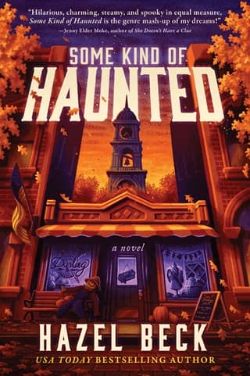
In "Some Kind of Haunted," Hazel Beck, known for the Witchlore series, embarks on a new journey into the realm of cozy, autumnal horror romance. This novel, the first in a duology, is set in the seemingly idyllic town of Midas, Iowa, where the picturesque landscape hides a sinister secret. Beck masterfully blends elements of horror, romance, and mystery, crafting a narrative that is both engaging and unsettling.
The story follows Lexi Darling, a quintessential city girl from New York, who, along with her twin brother Logan, finds herself in Midas to settle an unexpected inheritance from a grandmother they never knew. Lexi's character is richly developed, embodying the tension between her urban roots and the eerie, small-town atmosphere she finds herself in. Her character arc is compelling, as she transitions from a skeptic to a reluctant believer in the supernatural forces at play. The nightmares that have plagued her life serve as a poignant metaphor for her internal struggles and the unresolved mysteries of her past.
Beck's writing style is both vivid and immersive, capturing the essence of autumn in the Midwest with a palpable sense of foreboding. The town of Midas is described with such detail that it becomes a character in its own right, its charm juxtaposed with the underlying darkness that threatens to consume it. The author’s ability to evoke a sense of place is reminiscent of Stephen King's portrayal of small-town America, where the familiar becomes terrifyingly unfamiliar.
The novel's major themes revolve around family, identity, and the past's inescapable grip on the present. The Darling twins' journey into their family's history is a quest for self-discovery, as they unravel the secrets woven into their grandmother’s yarn shop. The theme of inheritance is explored not just in terms of material possessions but also in the legacy of curses and unresolved traumas passed down through generations. This theme is handled with nuance, adding depth to the narrative and resonating with readers who appreciate stories about familial bonds and the complexities they entail.
Character development is a strong suit of "Some Kind of Haunted." Lexi's interactions with the locals, particularly Jack, the grumpy yet endearing diner owner, add layers to her character and the story. Jack's character provides a foil to Lexi, his grounded nature contrasting with her initial disbelief and reluctance to engage with the town's mysteries. Their dynamic is a classic example of the "enemies to lovers" trope, executed with charm and wit, adding a romantic subplot that complements the main narrative without overshadowing it.
The emotional impact of the novel is significant, as Beck weaves a tale that is as much about personal growth and acceptance as it is about battling external demons. The tension builds steadily, with the looming threat of Halloween night serving as a ticking clock that heightens the stakes. Readers will find themselves invested in Lexi's journey, rooting for her as she confronts both the supernatural and her own fears.
In comparison to other works in the genre, "Some Kind of Haunted" stands out for its unique blend of horror and romance, reminiscent of works by authors like Alice Hoffman and Sarah Addison Allen, who similarly blend magical realism with heartfelt storytelling. Beck's ability to balance these elements ensures that the novel appeals to a wide audience, from fans of cozy mysteries to those who enjoy a good supernatural thriller.
Overall, Hazel Beck delivers a captivating and atmospheric tale in "Some Kind of Haunted," one that promises to linger in the minds of readers long after the last page is turned. The novel's exploration of themes such as family, identity, and the past's haunting presence, combined with its well-drawn characters and evocative setting, make it a must-read for anyone looking for a story that is both chilling and heartwarming. As the first book in a duology, it sets the stage for what promises to be an equally enthralling sequel, leaving readers eager to return to the haunted town of Midas.



