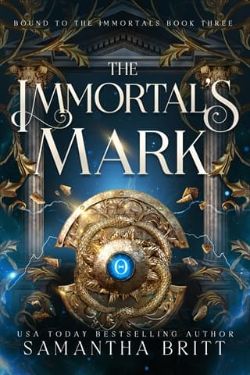
Samantha Britt's "The Immortal’s Mark" is a compelling addition to the fantasy genre, weaving together intricate themes of identity, power, and the eternal struggle between good and evil. As the narrative unfolds, readers are drawn into a world where the stakes are high, and the boundaries between allies and enemies blur, creating a rich tapestry of intrigue and suspense.
At the heart of the story is Darcie, a character whose journey of self-discovery is both poignant and tumultuous. Her transformation, driven by the enigmatic Immortal’s Curse, serves as a powerful metaphor for the universal quest for identity and purpose. Britt expertly crafts Darcie’s internal conflict, making her a relatable and sympathetic protagonist. As Darcie grapples with her newfound abilities and the revelations about her lineage, readers are invited to reflect on the nature of power and the responsibility it entails.
The theme of identity is further explored through the complex relationships Darcie navigates. Her interactions with Thane and Des are particularly noteworthy, as they add layers of emotional depth to the narrative. Thane’s descent into grief and rage over Bella’s disappearance is a stark reminder of the human cost of conflict, while Des’s denial of their bond introduces a tension that is both frustrating and compelling. These dynamics are reminiscent of the intricate character relationships found in works by authors like Sarah J. Maas and Cassandra Clare, where personal connections are as pivotal as the overarching plot.
Britt's writing style is both evocative and accessible, striking a balance that will appeal to both seasoned fantasy readers and newcomers to the genre. Her descriptive prose vividly brings the world of the Immortals to life, immersing readers in a setting that is as enchanting as it is perilous. The pacing of the novel is well-executed, with moments of introspection seamlessly interwoven with action-packed sequences. This rhythm keeps the reader engaged, ensuring that the narrative momentum never falters.
One of the standout aspects of "The Immortal’s Mark" is its exploration of power and its consequences. As Darcie learns to harness her abilities, the novel delves into the ethical dilemmas that accompany such power. This theme is particularly relevant in today’s world, where the misuse of power is a recurring issue. Britt handles this theme with nuance, avoiding simplistic moral dichotomies and instead presenting a more complex view of what it means to wield power responsibly.
The emotional impact of the novel is undeniable. Britt’s ability to evoke a wide range of emotions, from hope to despair, is a testament to her skill as a storyteller. The tension between Darcie’s desire to help the Alliance and her fear of losing control of her powers creates a palpable sense of urgency that propels the story forward. Readers will find themselves invested in Darcie’s journey, rooting for her as she faces seemingly insurmountable odds.
Comparisons to other fantasy works are inevitable, and "The Immortal’s Mark" holds its own among the best in the genre. Fans of Leigh Bardugo’s Grishaverse or V.E. Schwab’s Shades of Magic series will appreciate Britt’s ability to blend fantastical elements with deep character exploration. The novel’s emphasis on personal growth and the moral complexities of power also align it with the works of authors like Naomi Novik and Robin Hobb, who similarly prioritize character development alongside epic storytelling.
In conclusion, Samantha Britt’s "The Immortal’s Mark" is a captivating and thought-provoking entry into the fantasy genre. Its exploration of identity, power, and the bonds that define us is both timely and timeless. With well-drawn characters, a richly imagined world, and a narrative that balances action with introspection, this novel is sure to resonate with readers long after the final page is turned. Whether you are a fan of epic fantasy or simply enjoy a well-told story, "The Immortal’s Mark" is a book that deserves a place on your reading list.



